What's the "inaka" [e-NA-ka] ? That would be the word for "countryside" in Japanese. As in a rural area where life is slow and the nights are quiet (well, except for the frogs). I live in the inaka.
And if you find yourself in the inaka there is a great website devoted to cataloging all the small-town sights you might otherwise miss. The Inaka Project is a picture-heavy travel guide website, in English, that focuses on small town sights, restaurants, onsens and festivals. There isn't one author, there are many, contributing from all over Japan. I highly recommend you check it out and contribute if you live here.
P.S. If you look hard, you might see an article or two with a familiar byline. :)

Showing posts with label travel. Show all posts
Showing posts with label travel. Show all posts
July 10, 2013
February 10, 2013
The Trip That Wasn't
This is a long holiday weekend here so we decided to take the bullet train to Osaka. But first we planned to spend the night in the Tokyo Station Hotel, which I first mentioned here.
They've finished the construction on the hotel and it is rather swanky. We had wanted to order Domino's Pizza delivery for dinner (we can only get it in Tokyo and it's the only real American pizza we can get over here period) but once we got there we decided we would feel like a couple of teenage rednecks having a pizza delivery. Plus it was one of those places where they would've left it at the front desk and I already felt like the front desk staff was giving us the stink-eye.
At any rate, here are some more photos (courtesy Chad). No, I didn't get any of our room.
So...how was Osaka, you ask? Well, I don't know. We never made it that far. Chad and I smacked head-long into the realization that we can no longer travel as we used to when we were awake between 11pm and 3am trying to convince Cora-chan that she could sleep in a strange place.
Yes, I know we're fools.
For the record, after we returned from the US holiday trip, I launched a sleep-training regimen with her that has been wonderfully successful. She now naps and sleeps exclusively in her crib (in her room) and is capable of both putting herself to sleep and keeping herself that way throughout the night (with one scheduled feeding -- for the moment). It's freed up a lot of my time that previously was spent rocking and soothing and keeps us from tiptoeing around the house trying not to make any noise while she naps. I consider it one of my greatest achievements.
Or rather I considered it a great achievement until I realized that she can't keep herself asleep anywhere else yet. Add that to the fact that we took a late train and didn't get to the hotel until just after bedtime. At which point Cora was absolutely wild-eyed with all the disruption to our normal routine.
I wish I had gotten some photos of our room. It had lovely high ceilings that echoed nicely when she let loose her newly acquired banshee shriek. And there was a beautiful chandelier over our bed that I'm sure she would've been swinging from were she able.
So by 4am we were discussing packing it in and heading home which while boring, is a place where everyone is guaranteed to be well-rested. Also, for the record, I would've been willing to stick it out and go on to Osaka and be sleep-deprived and potentially miserable for three days but Chad was a little more gobsmacked than I was and wanted to beat a hasty retreat and regroup.
Next time (oh yes, there will be a next time --we're beaten but not broken) we are going to try just staying in a Tokyo hotel for a night with some better scheduling and a new plan. (In case you're wondering I did have sense enough to take as many "sleep association" things as possible and try to implement the same routine as at home.....it did not help at all whatsoever).
But we will not be staying at the Tokyo Station Hotel. It was beautiful and I would recommend it.....just not if you are traveling with kids.
Yes, I know we're fools.
They've finished the construction on the hotel and it is rather swanky. We had wanted to order Domino's Pizza delivery for dinner (we can only get it in Tokyo and it's the only real American pizza we can get over here period) but once we got there we decided we would feel like a couple of teenage rednecks having a pizza delivery. Plus it was one of those places where they would've left it at the front desk and I already felt like the front desk staff was giving us the stink-eye.
At any rate, here are some more photos (courtesy Chad). No, I didn't get any of our room.
 |
| completed station & hotel |
 |
| very incongruous to the left |
 |
| the dome in the main part of the station |
 |
| more dome |
Yes, I know we're fools.
For the record, after we returned from the US holiday trip, I launched a sleep-training regimen with her that has been wonderfully successful. She now naps and sleeps exclusively in her crib (in her room) and is capable of both putting herself to sleep and keeping herself that way throughout the night (with one scheduled feeding -- for the moment). It's freed up a lot of my time that previously was spent rocking and soothing and keeps us from tiptoeing around the house trying not to make any noise while she naps. I consider it one of my greatest achievements.
Or rather I considered it a great achievement until I realized that she can't keep herself asleep anywhere else yet. Add that to the fact that we took a late train and didn't get to the hotel until just after bedtime. At which point Cora was absolutely wild-eyed with all the disruption to our normal routine.
I wish I had gotten some photos of our room. It had lovely high ceilings that echoed nicely when she let loose her newly acquired banshee shriek. And there was a beautiful chandelier over our bed that I'm sure she would've been swinging from were she able.
So by 4am we were discussing packing it in and heading home which while boring, is a place where everyone is guaranteed to be well-rested. Also, for the record, I would've been willing to stick it out and go on to Osaka and be sleep-deprived and potentially miserable for three days but Chad was a little more gobsmacked than I was and wanted to beat a hasty retreat and regroup.
Next time (oh yes, there will be a next time --we're beaten but not broken) we are going to try just staying in a Tokyo hotel for a night with some better scheduling and a new plan. (In case you're wondering I did have sense enough to take as many "sleep association" things as possible and try to implement the same routine as at home.....it did not help at all whatsoever).
But we will not be staying at the Tokyo Station Hotel. It was beautiful and I would recommend it.....just not if you are traveling with kids.
Yes, I know we're fools.
July 23, 2012
Kicked Back in Kyoto
This weekend we took a long-planned trip to the city of Kyoto. Kyoto is a very old city, first founded in 794 AD. It was the capital of Japan (and the seat of the Imperial Court) from that time until the late 1800's when the capital was moved to Tokyo.
Kyoto has had a lot of fires and earthquakes over the centuries but it was spared during WWII because of it's cultural and historical significance. So there are an unusual number of pre-war buildings still standing including a bajillion temples and shrines. From my perspective, it seemed like wood is used more for buildings there. There wasn't quite as much concrete. The skyline was much lower than Tokyo. And the city seemed to be surrounded by perpetually misty mountains.
Typically when we travel we stay in large chain hotels so we know what to expect but for this trip I convinced Chad to stay in a small boutique hotel in the Gion district. Gion is famous and familiar for being where geisha (or geiko, as they call themselves) have lived and worked for decades.
I really wanted to get photos of one but they are hard to catch as they aren't really there for tourists and tend to actually avoid people. They work in the extremely exclusive and expensive teahouses as entertainers, making tea, singing and playing instruments. I read the book Memoirs of a Geisha years ago and while I now very much doubt it's accuracy (geisha are not prostitutes) I enjoyed it very much at the time.
Anyway, we did see one right as we were leaving but, of course, I didn't have any camera nearby and we were speeding by in a taxi. So you'll just have to take my word for it. She was wearing a beautiful peach and white flowered kimono, the complete head-gear and full white makeup. She was standing on a street-corner waiting to cross, looking like she did it every day.
Another thing about Kyoto that I feel the need to mention is the food. Namely that there is not a lot of western food at all. We ended up asking the hotel concierge to recommend a tempura place for our first night. We asked for tempura because at least we know that everything is pretty much fried in a batter.
The experience demonstrates perfectly why we are a little cautious about walking into Japanese restaurants. The restaurant had a "set menu" which pretty much means you don't order, you just eat whatever they bring you. See, the thing is, once we get in a Japanese restaurant and sit down, we commit and do our best to not act like clueless foreigners. I would probably do really well on Fear Factor if all the creepy-crawlies were brought to me by a sweet little old Japanese lady who I didn't want to offend.
We started the meal off with what appeared to be a fried spider (pretty sure it was some kind of shrimp and it tasted like a pork rind). We ate eel, sea urchin, mussels, lotus root, jellied fish broth, jellied egg custard and the ubiquitous octopus. We had a salad which I initially thought had fried onions on it. Then I realized that the "onions" had eyeballs. Deep-fried baby minnows. Dessert was soybean goo. For the record, we did have some good fried shrimp (normal and headless, miraculously) and some delicious fried scallops. We tried everything and ate most of it. We were almost the only customers and were being observed by the very nice chef because we were eating at the bar and he was enjoying practicing his English on us.
(Incidentally, the baby was not amused by all this and retaliated with a particularly vicious case of heartburn.)
The next day we decided to go to the famous Kinkakuji, which is also known as the Golden Pavilion because it's covered in gold foil. The pavilion, which is part of the Rokuon-ji Temple complex, was built in 1397 by a shogun. It burned down (arson) in the 50's but was rebuilt immediately. It isn't an operational temple anymore (no priests) but is instead a tourist trap and a nice place to take photos.
Kyoto has had a lot of fires and earthquakes over the centuries but it was spared during WWII because of it's cultural and historical significance. So there are an unusual number of pre-war buildings still standing including a bajillion temples and shrines. From my perspective, it seemed like wood is used more for buildings there. There wasn't quite as much concrete. The skyline was much lower than Tokyo. And the city seemed to be surrounded by perpetually misty mountains.
Typically when we travel we stay in large chain hotels so we know what to expect but for this trip I convinced Chad to stay in a small boutique hotel in the Gion district. Gion is famous and familiar for being where geisha (or geiko, as they call themselves) have lived and worked for decades.
I really wanted to get photos of one but they are hard to catch as they aren't really there for tourists and tend to actually avoid people. They work in the extremely exclusive and expensive teahouses as entertainers, making tea, singing and playing instruments. I read the book Memoirs of a Geisha years ago and while I now very much doubt it's accuracy (geisha are not prostitutes) I enjoyed it very much at the time.
Anyway, we did see one right as we were leaving but, of course, I didn't have any camera nearby and we were speeding by in a taxi. So you'll just have to take my word for it. She was wearing a beautiful peach and white flowered kimono, the complete head-gear and full white makeup. She was standing on a street-corner waiting to cross, looking like she did it every day.
 |
| our hotel |
 |
| the lively Shijo Street at night |
 |
| side of the 300-year old Ichiriki teahouse (worth reading about at the link) |
 |
| houses on a river in Gion |
 |
| Gion stone street |
The experience demonstrates perfectly why we are a little cautious about walking into Japanese restaurants. The restaurant had a "set menu" which pretty much means you don't order, you just eat whatever they bring you. See, the thing is, once we get in a Japanese restaurant and sit down, we commit and do our best to not act like clueless foreigners. I would probably do really well on Fear Factor if all the creepy-crawlies were brought to me by a sweet little old Japanese lady who I didn't want to offend.
We started the meal off with what appeared to be a fried spider (pretty sure it was some kind of shrimp and it tasted like a pork rind). We ate eel, sea urchin, mussels, lotus root, jellied fish broth, jellied egg custard and the ubiquitous octopus. We had a salad which I initially thought had fried onions on it. Then I realized that the "onions" had eyeballs. Deep-fried baby minnows. Dessert was soybean goo. For the record, we did have some good fried shrimp (normal and headless, miraculously) and some delicious fried scallops. We tried everything and ate most of it. We were almost the only customers and were being observed by the very nice chef because we were eating at the bar and he was enjoying practicing his English on us.
(Incidentally, the baby was not amused by all this and retaliated with a particularly vicious case of heartburn.)
The next day we decided to go to the famous Kinkakuji, which is also known as the Golden Pavilion because it's covered in gold foil. The pavilion, which is part of the Rokuon-ji Temple complex, was built in 1397 by a shogun. It burned down (arson) in the 50's but was rebuilt immediately. It isn't an operational temple anymore (no priests) but is instead a tourist trap and a nice place to take photos.
 |
| crowded |
 |
| belfry on the way in |
 |
| with the reflection in the lake |
 |
| on the backside (you can actually walk really close to it) |
 |
| several of these were set up around the grounds....those are coins. if you get your coin in the little pot you cheer and jump up and down..... perhaps because your wish was granted? |
 |
| surrounding lake and gardens |
Leaving On A Fast Train
Included on our unofficial list of things to do while we're here was to take a trip across the country on the Shinkansen, also known as the famous "bullet train". So to get to Kyoto this weekend we bought tickets and checked the Shinkansen off the list.
The first Shinkansen started service in the 60's just before the Tokyo Olympics. It travels at about 186mph although it has broken world records at 300+ mph in test runs. We made the trip from Tokyo to Kyoto (almost 300 miles) in about 2 1/2 hours. In the map below, we went almost the entire length of the yellow line. One day we want to try taking the long green line to Hokkaido in a sleeper car.

One thing that really surprised us was the pressure that you feel in your ears when you're on the train. It was similar to airplane pressure, but our ears never popped and swallowing/chewing gum didn't help at all. We just had to deal with it. We think it was because our elevation was changing so quickly---it was especially noticeable when we went through tunnels.
Also, we went right past Fuji-san (aka Mt. Fuji) but he continued to hide from us (in the mist and clouds) as he has for the past year. :(
We also splurged on "green car" seats. These are a little nicer and roomier, kind of like going business class. But there was a little more room than you get in business class on a plane. And it was a little expensive. Round trip for both of us was several hundred dollars.
The first Shinkansen started service in the 60's just before the Tokyo Olympics. It travels at about 186mph although it has broken world records at 300+ mph in test runs. We made the trip from Tokyo to Kyoto (almost 300 miles) in about 2 1/2 hours. In the map below, we went almost the entire length of the yellow line. One day we want to try taking the long green line to Hokkaido in a sleeper car.

One thing that really surprised us was the pressure that you feel in your ears when you're on the train. It was similar to airplane pressure, but our ears never popped and swallowing/chewing gum didn't help at all. We just had to deal with it. We think it was because our elevation was changing so quickly---it was especially noticeable when we went through tunnels.
Also, we went right past Fuji-san (aka Mt. Fuji) but he continued to hide from us (in the mist and clouds) as he has for the past year. :(
 |
| walked down to the front for photos |
 |
| we rode the 700 series |
We also splurged on "green car" seats. These are a little nicer and roomier, kind of like going business class. But there was a little more room than you get in business class on a plane. And it was a little expensive. Round trip for both of us was several hundred dollars.
 |
| inside the Shinkansen green car |
May 2, 2012
Down South
This week is Golden Week (a big holiday extravaganza that I will hopefully post more about later) and since Chad doesn't have to work, we booked a trip to Yokohama. Yokohama is on the southern coast of Japan, not too far from southwestern Tokyo. We stayed in the Minato Mirai area, which is basically a tourist trap (malls, restaurants, arcades, ferris wheel, museums, etc.) right on Tokyo Bay.
Worth mentioning is that Yokohama was where a lot of foreigners first entered Japan in the 1800's after the country opened itself up to outsiders again. So it has a long history of foreign influence---much more so than other parts of the country. And of course, Yokohama was where a lot of the WWII action went down.
We pretty much just walked around, ate (Cold Stone Creamery, El Torito Mexican, and whatever other American food we could find) and shopped for a router because we forgot our travel router and the world crashes down around us when we don't have WiFi in our hotel room.
On Sunday we took the trains out to the Kamakura area, mainly to see the Kamakura Daibatsu (enormous Buddha statue) at the Buddhist Temple Kōtoku-in. I was surprised to find that the area around the temple was another tourist trap and also a beach town. There were surf shops, ice-cream parlors and souvenir shops everywhere. We even sniffed out a burger joint for lunch. There were also a bajillion people, which Chad was very happy about because he looooves being in crowds of tourists.
As I said, the "beach town" aspect of the area around the temple was a little bit of a surprise. Initially we thought we should have stayed in a hotel there so we could enjoy the water too, but on closer inspection the beach was pretty nasty. Not polluted, because Japanese people don't litter, but just small and slimy with ocean goop. It seemed to be mostly a beach for surfing.
Anyway, the Diabatsu was pretty cool to see, but we didn't go inside of it (for an extra fee) as we had heard that it wasn't really worth it. History tells that the statue was built in the 1200's and had a building around it that washed away in a tsunami (as did subsequent rebuilds) so in the 1400's people just gave up and let Buddha sit in the open air.

For though he neither burns nor sees,
Nor hears ye thank your Deities,
Ye have not sinned with such as these,
His children at Kamakura,
Yet spare us still the Western joke
When joss-sticks turn to scented smoke
The little sins of little folk
That worship at Kamakura —
The grey-robed, gay-sashed butterflies
That flit beneath the Master's eyes.
He is beyond the Mysteries
But loves them at Kamakura.
And whoso will, from Pride released,
Contemning neither creed nor priest,
May feel the Soul of all the East
About him at Kamakura.
Yea, every tale Ananda heard,
Of birth as fish or beast or bird,
While yet in lives the Master stirred,
The warm wind brings Kamakura.
Till drowsy eyelids seem to see
A-flower 'neath her golden htee
The Shwe-Dagon flare easterly
From Burmah to Kamakura,
And down the loaded air there comes
The thunder of Thibetan drums,
And droned — "Om mane padme hums" —
A world's-width from Kamakura.
Yet Brahmans rule Benares still,
Buddh-Gaya's ruins pit the hill,
And beef-fed zealots threaten ill
To Buddha and Kamakura.
A tourist-show, a legend told,
A rusting bulk of bronze and gold,
So much, and scarce so much, ye hold
The meaning of Kamakura?
But when the morning prayer is prayed,
Think, ere ye pass to strife and trade,
Is God in human image made
No nearer than Kamakura?

Worth mentioning is that Yokohama was where a lot of foreigners first entered Japan in the 1800's after the country opened itself up to outsiders again. So it has a long history of foreign influence---much more so than other parts of the country. And of course, Yokohama was where a lot of the WWII action went down.
We pretty much just walked around, ate (Cold Stone Creamery, El Torito Mexican, and whatever other American food we could find) and shopped for a router because we forgot our travel router and the world crashes down around us when we don't have WiFi in our hotel room.
 |
| the giant Cosmo Clock 21 (at one time the tallest ferris wheel in the world) and the amusement park area along the bay |
 |
| looking the other direction, arcades and pleasure boats, hotels in the background |
.JPG) |
| the Nippon Maru, (a retired sailor training ship) sitting in the bay at night |
 |
| nighttime view of Yokohama from our hotel room |
 |
| you can see Chad standing in the middle of the street here---all those poor people have no idea that he's on the verge of a murderous rampage..... |
 |
| windsurfers |
Anyway, the Diabatsu was pretty cool to see, but we didn't go inside of it (for an extra fee) as we had heard that it wasn't really worth it. History tells that the statue was built in the 1200's and had a building around it that washed away in a tsunami (as did subsequent rebuilds) so in the 1400's people just gave up and let Buddha sit in the open air.

O ye who treated the Narrow Way
By Tophet-flare to Judgment Day,
Be gentle when "the heathen" pray
To Buddha at Kamakura!
To him the Way, the Law, apart,
Whom Maya held beneath her heart,
Ananda's Lord, the Bodhisat,
By Tophet-flare to Judgment Day,
Be gentle when "the heathen" pray
To Buddha at Kamakura!
To him the Way, the Law, apart,
Whom Maya held beneath her heart,
Ananda's Lord, the Bodhisat,
The Buddha of Kamakura.
For though he neither burns nor sees,
Nor hears ye thank your Deities,
Ye have not sinned with such as these,
His children at Kamakura,
Yet spare us still the Western joke
When joss-sticks turn to scented smoke
The little sins of little folk
That worship at Kamakura —
The grey-robed, gay-sashed butterflies
That flit beneath the Master's eyes.
He is beyond the Mysteries
But loves them at Kamakura.
And whoso will, from Pride released,
Contemning neither creed nor priest,
May feel the Soul of all the East
About him at Kamakura.
Yea, every tale Ananda heard,
Of birth as fish or beast or bird,
While yet in lives the Master stirred,
The warm wind brings Kamakura.
Till drowsy eyelids seem to see
A-flower 'neath her golden htee
The Shwe-Dagon flare easterly
From Burmah to Kamakura,
And down the loaded air there comes
The thunder of Thibetan drums,
And droned — "Om mane padme hums" —
A world's-width from Kamakura.
Yet Brahmans rule Benares still,
Buddh-Gaya's ruins pit the hill,
And beef-fed zealots threaten ill
To Buddha and Kamakura.
A tourist-show, a legend told,
A rusting bulk of bronze and gold,
So much, and scarce so much, ye hold
The meaning of Kamakura?
But when the morning prayer is prayed,
Think, ere ye pass to strife and trade,
Is God in human image made
No nearer than Kamakura?
---Rudyard Kipling

December 28, 2011
...and Christmas in Okinawa!
We decided to spend Christmas in Okinawa this year as it is a little warmer there than in the rest of the country. Okinawa is in the string of islands that trail off the southern tip of Japan toward Taiwan. It's a three hour plane flight from Tokyo and stays around 65°F in the winter. Okinawa Island was pretty, with a beautiful rocky coastline that you could see from almost anywhere because the island itself is really mountainous. It was pretty densely populated with a surprising amount of things to do.
And it made for an interesting holiday--on Christmas Eve we went to a butterfly garden, then to the Okinawa Churaumi Aquarium which is situated right on the coast and was the largest aquarium in the world until the one in Atlanta was built.
Thousands of years ago Okinawa was separated into several kingdoms. Eventually the kingdoms combined into one Ryukyuan culture and then around the 1860's all the islands were absorbed into Japan (there are still differences between the islands and the mainland, mainly in food and dialect). However, most of the castles from the kingdom days are still standing, albeit in ruins. They are all UNESCO World Heritage sites. We finished off Christmas Eve day by visiting one of the largest---Nakijin Castle, built in the 13th century.
Christmas Eve dinner was remarkably authentic tacos in a pretty skeevy place next to one of the many US military bases on the island. We also enjoyed Tony Roma's, A&W and Baskin Robbins while we were there, as well as an elaborate Christmas buffet served at our hotel (and Santa found time to hang out in the hotel lobby). There is a little more American "stuff" on Okinawa because there are so many US soldiers stationed there.
There is even an area called the American Village that is modeled after American beach towns like Venice Beach. The shopping was a little disappointing (not much imported stuff) but it is lively, especially at night.
And it made for an interesting holiday--on Christmas Eve we went to a butterfly garden, then to the Okinawa Churaumi Aquarium which is situated right on the coast and was the largest aquarium in the world until the one in Atlanta was built.
 |
| Cape Manzamo |
 |
| at the butterfly garden--decorated for Christmas |
 |
| view of the East China Sea from the aquarium |
Thousands of years ago Okinawa was separated into several kingdoms. Eventually the kingdoms combined into one Ryukyuan culture and then around the 1860's all the islands were absorbed into Japan (there are still differences between the islands and the mainland, mainly in food and dialect). However, most of the castles from the kingdom days are still standing, albeit in ruins. They are all UNESCO World Heritage sites. We finished off Christmas Eve day by visiting one of the largest---Nakijin Castle, built in the 13th century.
 |
| Nakijin Castle walls and the East China Sea |
 |
| castle walls & mountains |
 |
| nothing like Christmas Eve dinner at a place where you can walk up and order on the street |
 |
| American Village & ferris wheel |
 |
| an Okinawan shisa, lion-dog guardian statues that can be found all over the islands (seriously, they are everywhere) |
November 5, 2011
Night in Nikko
This weekend we went on our first Japan roadtrip. We drove up to a mountain city called Nikko, which is an hour and half from our house and also happens to be home to a UNESCO World Heritage Site. We had a rough start as we learned that our GPS doesn't update very quickly here and gets confused easily at exits. But after going around and around several tollbooths, we finally got headed in the right direction. On the way up we enjoyed several mountain tunnels and numerous signs warning of wild boars crossing the road.
We had been warned that Nikko would be very crowded and that there would be a lot of traffic since this is a popular time to go to the mountains and see the autumn leaves. We left our house at 6:30am anyway---and managed to get super lucky and avoid any traffic. When we arrived in Nikko we immediately went to the World Heritage site and actually had it almost to ourselves for an hour or so. After that tour buses full of kids and seniors started arriving and it filled up really quickly.
Long story short: in the year 766 a high Buddhist priest climbed a mountain and founded a temple by the name of Rinno-ji. Over time important warriors and such prayed there and more priests built more temples. Around the same time a Shinto shrine called Futarasan was built as well. The Imperial family got involved and the whole place became really popular as a center of Buddhism. In the late 1600's a famous shogun by the name of Tokugawa Ieyasu was buried nearby (his ashes) by his family and a second Shinto shrine by the name of Toshogu was built.
That is the history of Nikko, from experience I can report that there are a gazillion extremely ornate buildings on the side of a hill. I had been told by our previous Japanese teacher that you can tell the difference between a Buddhist temple and a Shinto shrine because shrines are plain and temples are fancy. However, every single building we saw was gilded to the extreme. I didn't find an English guide book until right before we left so I had a really hard time keeping up with what was what. I know we saw all of the Toshogu shrine but other than that I can't say for sure what we were gaping at. I can say that it was quite the most impressive tourist trap I've ever seen.
We stayed the night but before we headed to our hotel we drove further up in the mountains to Lake Chuzenji. Unfortunately we just drove through the area but it was beautiful and I'm hoping I can convince Chad to go back one weekend and stay in the little town there. We spent some time shopping and walking around the town of Nikko and then turned in after a steak dinner at a place recommended to us by some fellow expats.
By the next day I had realized that we had missed some shrines/temples so I dragged an irritated Chad back up the hill to hunt for them. I finally realized that a giant ugly warehouse-looking building had a temple inside of it. Not sure if it's a temporary situation or not. We ended up stuck on a little tour (all in Japanese) of the warehouse temple which included a dude banging a gong periodically to signal that we were to pray. We prayed to these impressive statues, among others (no photos were allowed, hence the link). And then we headed home. Check out Shutterfly for shrine/temple overload!
Update: Here is a really interesting and accurate account of Nikko written by a lady who visited in the late 1880's. Also, the building I couldn't identify is the bell tower.
We had been warned that Nikko would be very crowded and that there would be a lot of traffic since this is a popular time to go to the mountains and see the autumn leaves. We left our house at 6:30am anyway---and managed to get super lucky and avoid any traffic. When we arrived in Nikko we immediately went to the World Heritage site and actually had it almost to ourselves for an hour or so. After that tour buses full of kids and seniors started arriving and it filled up really quickly.
Long story short: in the year 766 a high Buddhist priest climbed a mountain and founded a temple by the name of Rinno-ji. Over time important warriors and such prayed there and more priests built more temples. Around the same time a Shinto shrine called Futarasan was built as well. The Imperial family got involved and the whole place became really popular as a center of Buddhism. In the late 1600's a famous shogun by the name of Tokugawa Ieyasu was buried nearby (his ashes) by his family and a second Shinto shrine by the name of Toshogu was built.
That is the history of Nikko, from experience I can report that there are a gazillion extremely ornate buildings on the side of a hill. I had been told by our previous Japanese teacher that you can tell the difference between a Buddhist temple and a Shinto shrine because shrines are plain and temples are fancy. However, every single building we saw was gilded to the extreme. I didn't find an English guide book until right before we left so I had a really hard time keeping up with what was what. I know we saw all of the Toshogu shrine but other than that I can't say for sure what we were gaping at. I can say that it was quite the most impressive tourist trap I've ever seen.
 |
| five-story pagoda in the Toshogu Shrine area |
 |
| the very famous Sacred Bridge, part of the Futarasan Shrine---we only really got close to it at night |
 |
| three monkeys carving---the origin of hear no evil, speak no evil, see no evil |
 |
| Yomeimon gate in Toshogu Shrine area |
 |
| protective charms for sale--Chad bought a tiny sword that is supposed to protect your house, I bought a monkey that is supposed to protect you in traffic |
 |
| Tokugawa Ieyasu's tomb |
 |
| a "Sacred Warehouse" in the Toshogu Shrine area |
 |
| I never could figure out what this building was, but it was one of my favorites (in Toshogu Shrine area) |
 |
| our hotel was across from the Nikko train station which is one of the oldest train stations in Japan and was designed by Frank Lloyd Wright |
 |
| driving up the mountain to Lake Chuzenji |
 |
| Sanbutsu-Do --I think painting a picture of the temple on the side of the ugly warehouse around it was a nice touch |
Update: Here is a really interesting and accurate account of Nikko written by a lady who visited in the late 1880's. Also, the building I couldn't identify is the bell tower.
October 11, 2011
Observations
We arrived back home this weekend from a week-long vacation in the US. A few observations I made on my first trip back since we moved here:
1. America really is a "melting pot". So many different ethnicities, nationalities, accents....Japan, on the other hand, is a big pot full o' Japanese people.
2. Moe's and Target really need to expand into Japan. I'm seriously considering a letter-writing campaign.
3. The flight (and jet lag) from Japan to the East Coast is tiring, but tolerable. The flight (and jet lag) from the East Coast to Japan is a miserable, miserable experience. You somehow lose a whole day and spend 24 hours awake. It's like achieving time travel but in the worst possible way.
Also, yesterday (Monday) was another national holiday here. It was Health & Sports Day. This holiday was created after the 1964 Tokyo Olympics to commemorate the opening ceremonies. At some point it was moved to fall in with the Happy Monday System. Poor jet-lagged Chad had to go into work for a conference call even though the offices were closed. I noticed one of my neighbors playing ball with some of the neighborhood children in the street....could have been coincidence, but I've never seen her out there before so I'm going to believe she was celebrating. ;)
1. America really is a "melting pot". So many different ethnicities, nationalities, accents....Japan, on the other hand, is a big pot full o' Japanese people.
2. Moe's and Target really need to expand into Japan. I'm seriously considering a letter-writing campaign.
3. The flight (and jet lag) from Japan to the East Coast is tiring, but tolerable. The flight (and jet lag) from the East Coast to Japan is a miserable, miserable experience. You somehow lose a whole day and spend 24 hours awake. It's like achieving time travel but in the worst possible way.
Also, yesterday (Monday) was another national holiday here. It was Health & Sports Day. This holiday was created after the 1964 Tokyo Olympics to commemorate the opening ceremonies. At some point it was moved to fall in with the Happy Monday System. Poor jet-lagged Chad had to go into work for a conference call even though the offices were closed. I noticed one of my neighbors playing ball with some of the neighborhood children in the street....could have been coincidence, but I've never seen her out there before so I'm going to believe she was celebrating. ;)
August 20, 2011
Guam Getaway
As I'm sure most of you have figured out, I've been away from the blog for a few days because we were on vacation in Guam (or Gua-moo, as Japanese people say). Last weekend we took a bus to the airport, stayed a night in a hotel, and then flew out early the next morning. Tokyo to Guam is three hours....it's almost one third of the way to Australia. So why did we go to Guam, of all places? Well, we had heard from former expats that is was an easy and quick trip, with all the benefits of a tropical island tourist destination PLUS (since Guam is a US territory) American goods are available in stores.
Guam is a very popular vacation destination for Japanese people, I'd say 98% of our fellow tourists were Japanese. This makes it a very interesting mix of cultures. It's half American, half Japanese with a touch of Spanish (leftover from colonization in the 1600's) and a little bit of the native Chamorro culture. Since Guam was a hotspot during WWII, there's also a US military base on the island which contributes a bit....mainly a proliferation of strip clubs, massage parlors and adult bookstores. Jammed in between those is the requisite high-end shopping to appeal to the Japanese tourists.
We saw a movie, laid around by the pool, took in the views and visited some history. We enjoyed the comforts of Wendy's, Chili's, Subway and Little Ceasar's. We also successfully continued the Hotdog and Mexican Food Tour of Asia and the South Pacific. We had Christmas early in the local Kmart.....Skittles and Gatorade! A1 and Neutrogena! Wheat Thins! Tostitos!
It was a good trip, I even figured out how to take some videos of a Polynesian Fire & Dance show that our hotel (the Hyatt) put on every night. I don't like how they come out here on Blogger so I put them on Shutterfly along with all the photos! Enjoy!
Guam is a very popular vacation destination for Japanese people, I'd say 98% of our fellow tourists were Japanese. This makes it a very interesting mix of cultures. It's half American, half Japanese with a touch of Spanish (leftover from colonization in the 1600's) and a little bit of the native Chamorro culture. Since Guam was a hotspot during WWII, there's also a US military base on the island which contributes a bit....mainly a proliferation of strip clubs, massage parlors and adult bookstores. Jammed in between those is the requisite high-end shopping to appeal to the Japanese tourists.
We saw a movie, laid around by the pool, took in the views and visited some history. We enjoyed the comforts of Wendy's, Chili's, Subway and Little Ceasar's. We also successfully continued the Hotdog and Mexican Food Tour of Asia and the South Pacific. We had Christmas early in the local Kmart.....Skittles and Gatorade! A1 and Neutrogena! Wheat Thins! Tostitos!
It was a good trip, I even figured out how to take some videos of a Polynesian Fire & Dance show that our hotel (the Hyatt) put on every night. I don't like how they come out here on Blogger so I put them on Shutterfly along with all the photos! Enjoy!
 |
| cannons at the Spanish Fort Santa Agueda, overlooking Agana Bay |
 |
| caves used by the Japanese army during WWII |
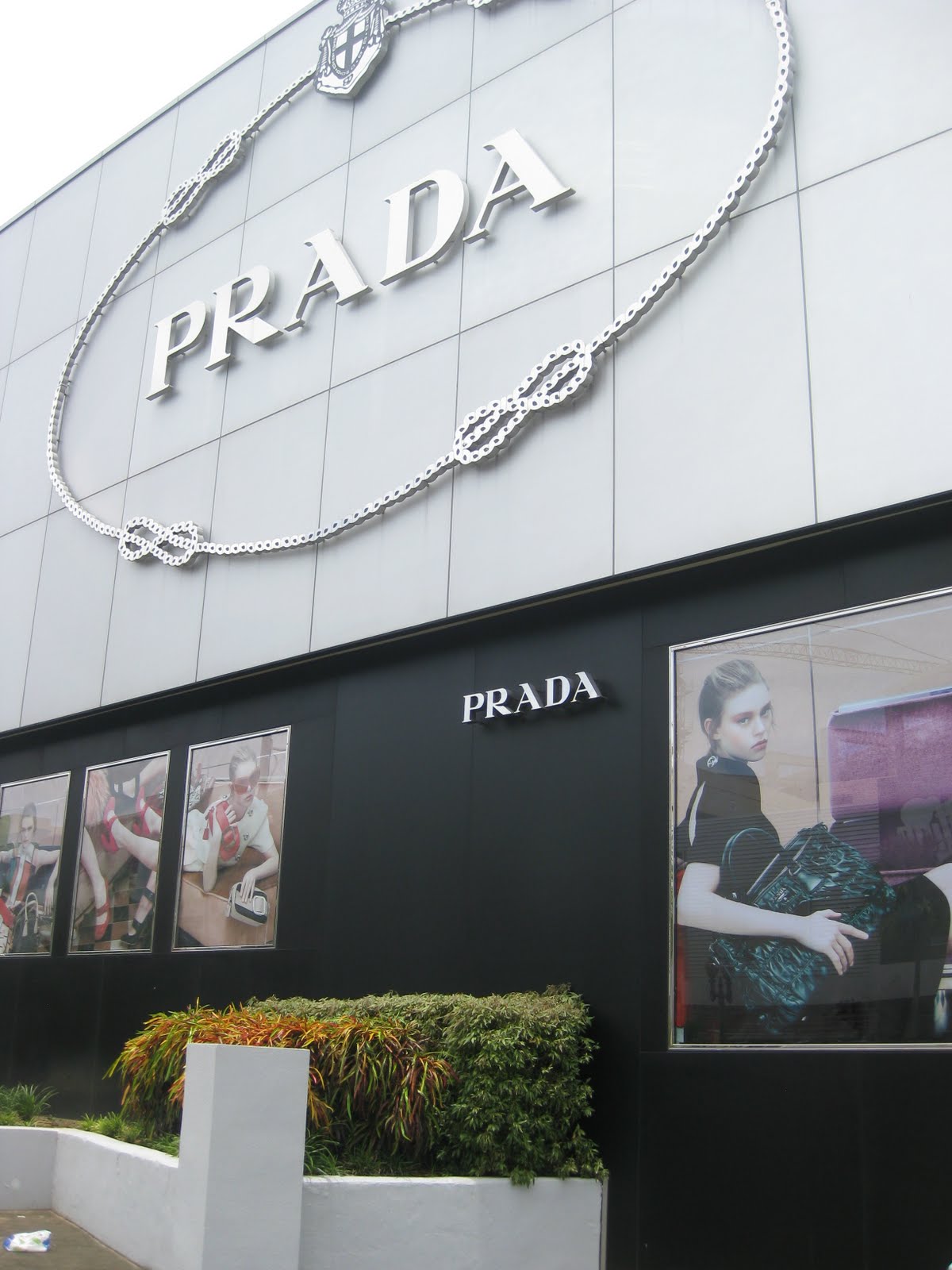 |
| there were at least two of every high-end designer store imaginable on the island...how many Louis Vuittons does one small South Pacific island need? |
 |
| skeevy strip mall, one of many (click to enlarge...if you dare) |
 |
| diagram of an underwater observatory built in a WWII bomb crater |
 |
| latte stones, built by the native islanders between 1100AD and 1700AD |
 |
| Chamorro latte stone explanation (click to enlarge) |
 |
| there were a lot of weird & tropical trees and flowers that I'd never seen before |
 |
| At Two Lover's Point, tourists leave luggage tags for some reason? And yes, there's a sappy story about two love-lorn teenagers jumping off the cliff... |
Subscribe to:
Posts (Atom)
